Repose Bed Frame
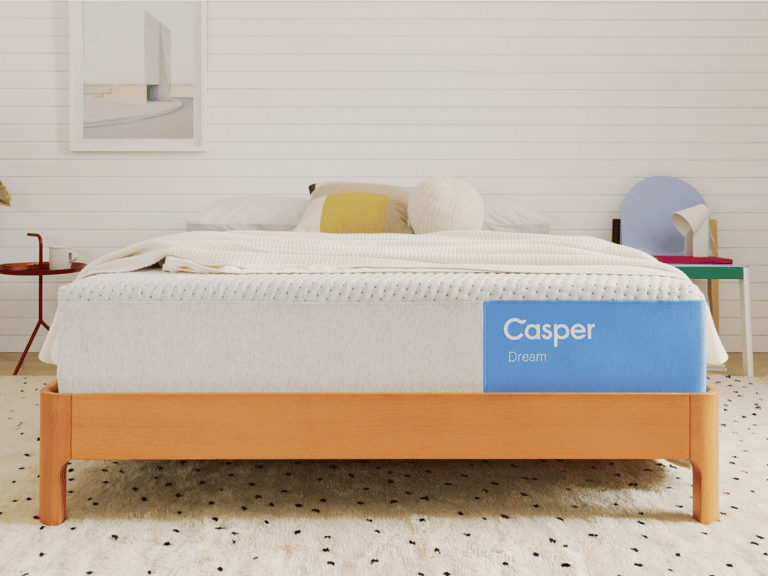
Sustainably sourced wood and solid construction keep your mattress supported for years, while in-home delivery and expert assembly remove the heavy lifting for a precise, hassle-free setup in a warm, timeless bed frame.
This editorial guide distills mattress material science, ergonomic considerations, and compatibility with adjustable bed bases. It offers non-commercial, product-agnostic insights for caregivers, shoppers, and healthcare professionals seeking comfort, safety, and durable performance in a changing sleep landscape.
By exploring how mattress profiles, materials, and motion interact with adjustable bases, we illuminate practical pathways for achieving proper spinal alignment, pressure relief, and unobstructed hinge clearance. The guide also weighs credible brand perspectives—without acting as a storefront—to help readers evaluate firmness, durability, allergen considerations, and long-term maintenance.
An adjustable bed base is not simply a more complex version of a conventional box spring. It introduces dynamic angles and hinge clearances where the mattress must flex without binding. The profile height—the total thickness from base to top surface—interacts with the hinge arc to determine how high the head or feet elevate before contact with the base frame. For caregivers and older adults, this matters not only for comfort but for safety during transfers and repositioning.
In practical terms, a mattress that is too tall or too rigid may impede smooth articulation, causing pinching at the hinge or restricted motion on full elevation. Conversely, a mattress that is too soft or too thin can sag excessively, failing to maintain alignment when the bed moves through its range. The sweet spot balances conforming pressure relief with robust support across positions.
Three broad families dominate the discourse on adjustable-bed comfort: latex, memory foam, and natural fills. Each brings distinct advantages and trade-offs in response time, contouring, airflow, and durability.
Beyond the core foam or latex cores, the cover material and finishing—often a breathable cotton or wool blend—materially influence temperature regulation and edge support. For adjustable beds, consider a cover that remains stable under repeated flexion without bunching or sliding.
When evaluating brands such as Naturepedic, Savvy Rest, and Suite Sleep in the context of adjustable beds, readers should weigh firmness ranges, durability claims, and allergen considerations. Look for:
In a non-commercial, informational approach, readers should cross-check specifications with independent sleep-science sources and ergonomic guidelines to verify claims about posture support and long-term health outcomes.
To ground readers in diverse viewpoints, this article highlights three notable voices from different eras who illuminate how we think about sleep surfaces, mobility, and technology.
These voices remind us that comfort is both a function of physics (how mass and pressure distribute) and practice (how humans live, move, and care for one another). In the realm of adjustable beds, the confluence of medical insight, caregiving practicality, and technological innovation yields a field where evidence-guided choices trump marketing spin.
This guide favors a product-agnostic approach, focusing on criteria that help you compare across brands and models. When assessing mattresses for adjustable bases, consider:
A practical exercise is to map out your nightly postures and identify the positions you access most often. Then consider how a mattress could support those postures across the range of your adjustable base. If you have a caregiver, involve them in the test: do transitions feel easy, and does the surface respond predictably to changes in elevation?
As a thought experiment in practical integration, consider the Repose Bed Frame from Casper. Its sustainably sourced wood frame provides a sturdy, understated foundation that can anchor a high-quality adjustable setup. The product emphasizes durability and a timeless aesthetic, complemented by in-home delivery and assembly—an important factor for seniors and caregivers who seek reliable, hassle-free installation. While not a mattress, the frame is an essential partner to any adjustable system, influencing overall rhythm, stability, and edge support during position changes.
The Repose Bed Frame, with its clean lines and robust construction, demonstrates how a foundational platform can blend with adaptive mattresses to deliver consistent alignment and comfort. When choosing a mattress, readers should remember that the base and frame dimensions interact with the mattress profile to determine the final sleep surface. A well-matched combination yields less need for compensating accessories or adjustments and fosters better long-term sleep health.
To support ongoing education, readers may wish to explore a glossary of terms commonly used in adjustable-bed discussions:
A robust resources section could also feature interviews with sleep-science experts and caregiving guides, providing readers with practical checklists, printable sizing templates, and maintenance calendars to extend mattress life in an adjustable setup.
In the evolving world of sleep technology, mattress selection for adjustable beds should prioritize clarity, credibility, and care. The best choices emerge when readers balance scientific insight with practical considerations—especially in caregiving contexts where comfort and safety intersect with daily routines. This guide invites readers to approach mattress selection as a collaborative process among sleep scientists, healthcare professionals, and caregivers, grounded in real-world experience and a commitment to trustworthy information.
Advocated stable spinal alignment and surfaces that support healthy posture, anticipating modern ergonomic bed science.
Focused on home-care design, safe transfers, and practical mattress support for mobility aids.
Sleep-science advocate emphasizing temperature regulation, motion isolation, and posture-aware topology.
Among the furniture essentials, the Repose Bed Frame illustrates how a durable foundation complements an adjustable system. While the mattress governs contour and pressure relief, the frame and base influence stability, height, and hinge clearance, forming a triad of comfort: frame, base, and mattress.
Sustainably sourced wood, solid construction, and in-home delivery with assembly. A timeless foundation for an adjustable sleep system.
Price: $995.00
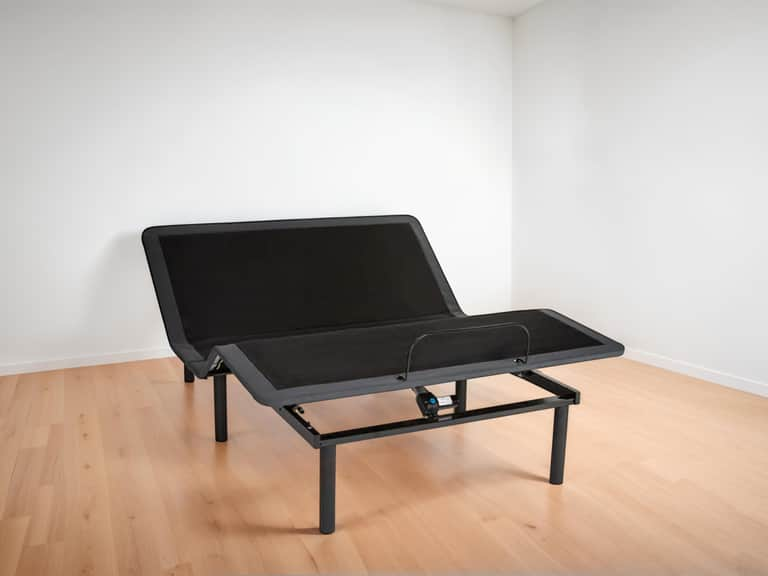
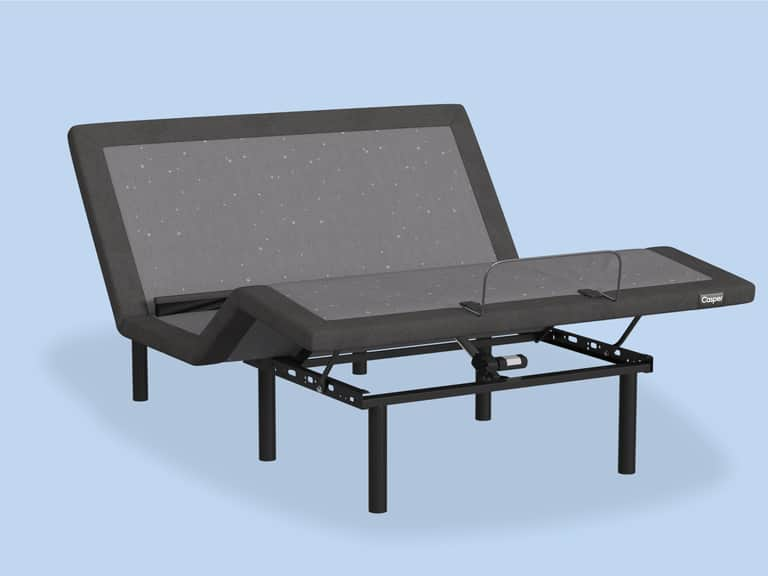
Advanced base with independent head/foot adjustments, lumbar presets, Zero Gravity, and a 3-level massage for personalized comfort.
Price: $1,725.00
Note: Images for product references are provided in the article’s dedicated product box visuals; ongoing updates may reflect new releases and specifications.
As readers consider mattress choices for adjustable bases, the most durable guidance blends evidence with empathy. Seek firmness and contouring that support your body across positions, ensure hinge clearance, and promote airflow to maintain comfort across the night. Always verify certifications and look for credible sources that prioritize safety and reliability. In the end, the bed is more than a surface; it is a daily instrument of health and wellbeing.